
Psychotherapy

I offer integrative therapy where we work together to create new relational and embodied experiences that build self-awareness, deepen connection, and open pathways toward more agency and possibility. My practice is grounded in an existential-humanistic perspective that explores how we can live more fully in the face of life’s limitations and uncertainties.
Clients often ask
-
“Why does my life feel empty or directionless, even though things seem fine from the outside?”
-
“How much of my life is shaped by fear, habit, or other people's expectations?”
-
“How can I belong without losing myself?”
-
“How do I make room for grief, loss, aging, or death without turning away from life?”
-
“What do I need to protect, even if it disappoints someone I love?”
-
“How do I feel what I'm actually feeling, underneath what I think I'm supposed to feel?”
My areas of focus
Much of my work sits at the intersection of identity, culture, and belonging – the questions of who we are, where we come from, and how we find our place in the world. For many, these questions surface as a crisis of meaning or identity, or show up alongside anxiety, depression, shame, or self-doubt that can leave people feeling held back, unseen, or misunderstood. Often, these patterns have roots in developmental trauma – the early experiences that shape how safe, seen, and worthy of belonging we come to feel in relationships. I also support people through grief and loss, life transitions, and the deeper work of self-discovery, exploring questions of meaning, purpose, and spirituality along the way.

What therapy with me looks like
Therapy with me is collaborative, curious and experiential. We'll talk about what's happening in your life, but we won't always stay at the level of talking about it. When it feels useful, I'll invite you to slow down and notice what's happening in your body, emotions, mind or what’s emerging between us in the present moment.
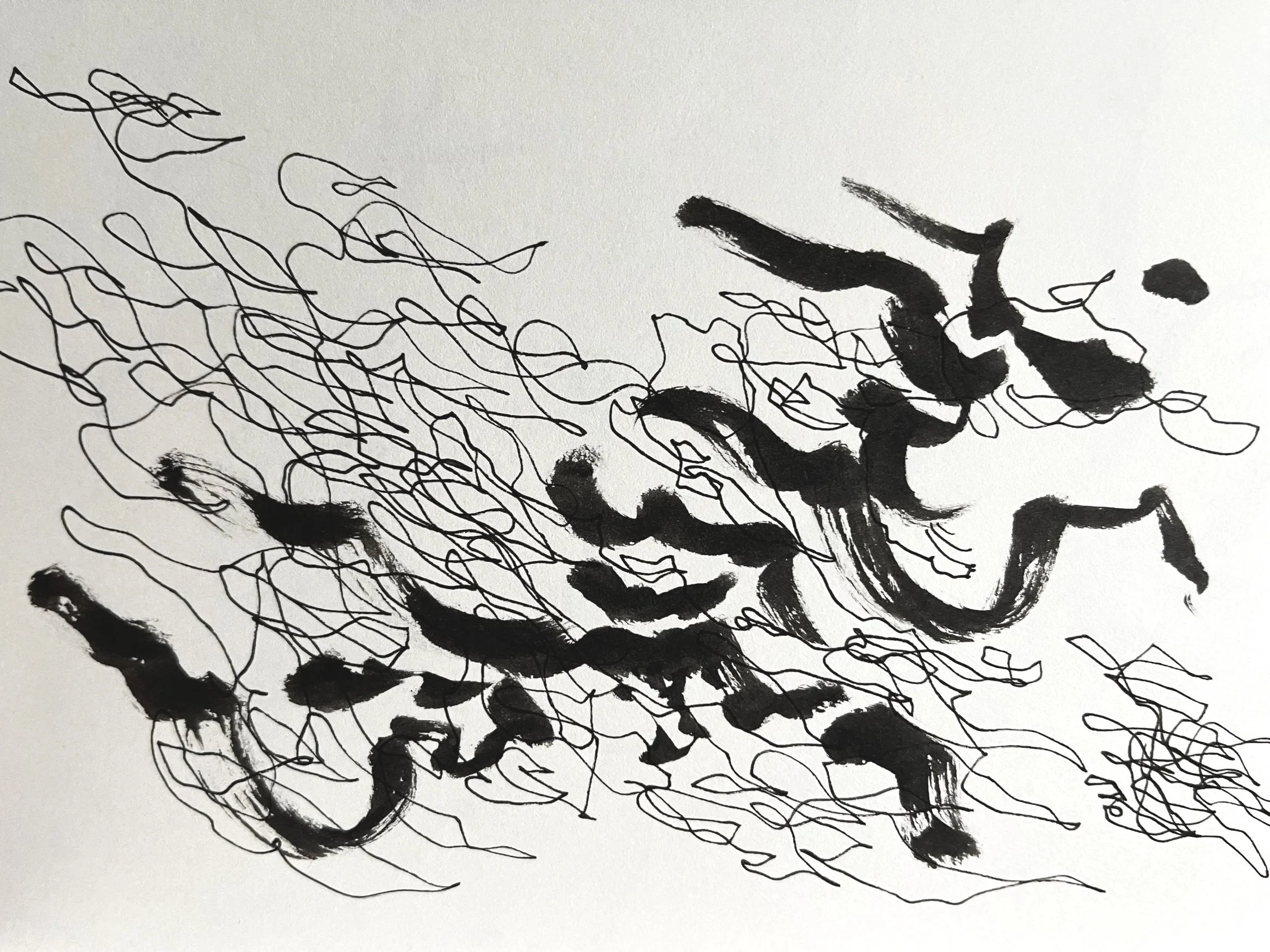
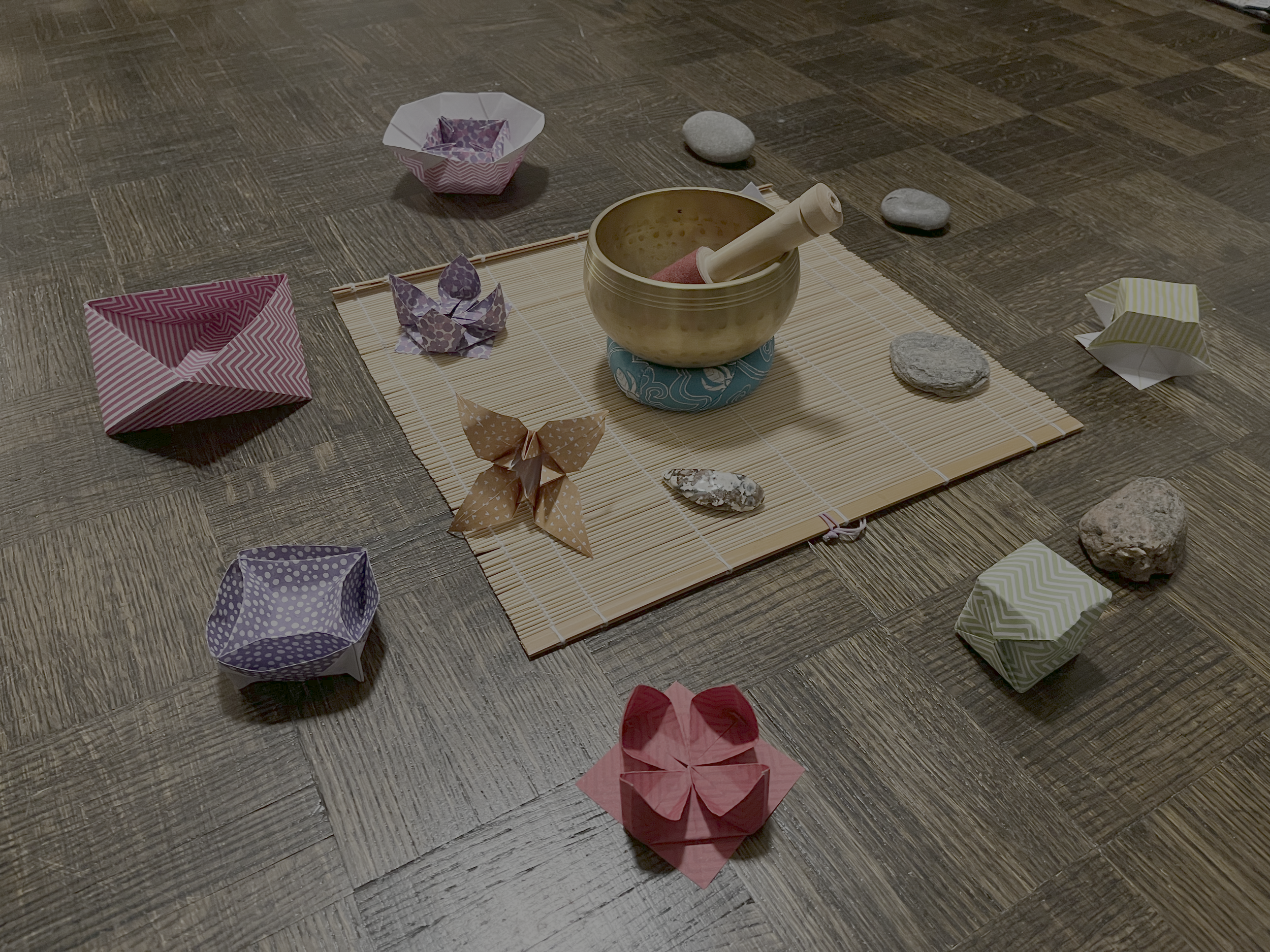
We might use conversation, mindfulness, expressive arts or parts work to explore something you're experiencing. You don't need to be artistic, experienced with meditation, or comfortable talking about everything right away. We'll work at a pace that feels manageable and adapt the process to what you need.
Many branches for different needs
Rather than applying a single method to everyone, I adapt our work to your needs, preferences and what emerges in the room.
-
AEDP is form of therapy that helps people tap into transformance: the innate, biological, motivational force in every human being to heal, self-correct, grow and flourish. Instead of focusing mainly on what's wrong, AEDP therapists pay attention to moments when the client seems more alive — a spark of energy, a shift in the body, a flash of real emotion. When these small moments show up in the therapy room, the therapist leans into them and helps them grow. AEDP therapists show up as genuine, emotionally attuned human beings rather than distant “blank slates.” This connection helps clients face what feels unbearable to face alone, creating a safe holding space for emotion to move through its natural arc — like a wave, rising, cresting, and receding — until we land in an open-hearted state of calm, compassion, and courage.
-
Expressive arts therapy integrates various modes of expression (visual, sound, movement, written and spoken word, etc.) to support people in self-discovery, change, and healing through the transformative potential of creative imagination. This embodied, arts-based therapy makes use of transitional spaces: an environment that is low stakes where a person can experiment, play, imagine, and create as ways to explore emotions or experiences that may be too complex or painful to face head-on. Clients can use the artwork as a container for their feelings so they can engage with them more safely. Through expressive arts therapy, clients can reconnect with their physical senses, discover new meanings, uncover inner resources, and recover a sense of hope in their lives. No artistic skill is necessary.
-
Ego state therapy is a form of therapy that works with ego states (or what’s more commonly known as ‘parts’) – distinct organized patterns of thought, emotions, bodily responses, attention, beliefs, and behaviours that develop from repeated experiences and serves to help a person adapt to particular situations. In ego state therapy, we work to identify the different parts or states, such as a vulnerable child, the protective part, and capable adult part and learn about their purpose and needs. Sometimes, these parts can be in conflict with each other, and so in therapy we create an opportunity for these parts to communicate with each other. Through ego state work, the different parts become less rigid and more flexible, allowing a person to access their adult capacities and resources.
-
SFBT is a form of short-term talk therapy that focuses on the client's preferred future rather than exploring problems and their causes. This practical, strengths-based approach helps clients identify their hopes for change and the changes they would notice if their situation improved. It also helps clients explore times when those changes were already present, and how they used their own resources to influence those positive outcomes. With SFBT, clients are usually able to make progress on a specific issue within a relatively short period of time by drawing on their existing strengths, skills, and abilities.
-
Developed by psychotherapist and nondual teacher Judith Blackstone, Ph.D., the Realization Process is a series of meditation practices that helps you become more present in your body. Being more embodied allows you to come into deeper contact with yourself, others, and your environment. The Realization Process helps refine your human capacities, such as physical sensation, emotional responsiveness, understanding, and perception. Using precise techniques, you will also cultivate your essential qualities of being, such as awareness, self-expression, love, power, and vitality.
-
Mindfulness is the practice of bringing awareness to your present moment sensory experiences with a welcoming and non-judgmental attitude. Rooted in Buddhist practices, mindfulness helps us train the mind in paying attention to what we want to focus on, noticing our sensory experience with more clarity, and allowing our thoughts, emotions, and sensations to come and go without grasping at them or pushing them away. In therapy, we use mindfulness for self-exploration – tracking what’s happening internally moment-to-moment, regulating emotions, and increasing self-awareness.

Honouring what’s in the room
-
Anti-oppressive and liberatory
I recognize that systems like racism, colonialism, sexism, ableism, heteronormativity, and class inequality shape your experience – including what happens between us in the room. At the same time, I want to know what would help you feel freer, more in charge of your own life, and more fully yourself.
-
Cultural sensitivity
I strive to hold no assumptions about who you are because of your race, ethnicity, faith, family history, gender, sexuality or other dimensions of your identity – and when I get it wrong, I stay curious and open to being corrected, so you can remain the expert on your own experience.
-
Trauma-informed
I acknowledge that certain patterns stem from past experiences that were once too overwhelming to process – patterns that made sense as a way to survive, even if they don't serve you now. I move at a pace you can tolerate, staying curious about what feels safe enough to explore.
Frequently Asked Questions
-
Not necessarily. You don't need to be in crisis or have a clearly defined problem to begin therapy. Sometimes we simply sense that something isn't quite right, feel stuck or disconnected, or find ourselves questioning what comes next. Therapy can offer a space to slow down, listen more closely, and explore what is asking for attention.
-
I won't tell you how you should live your life. Instead, we'll work together to understand your experience, explore what matters to you, and consider what possibilities are available. My role is not to have all the answers, but to help you develop a deeper relationship with your own experience so you can make choices that feel genuinely yours.
-
Our first session is an opportunity to get to know each other and begin understanding what brings you to therapy. We’ll talk about what you’re hoping for, what’s been happening in your life, and anything that feels important for me to know. There’s no need to have everything figured out or to tell your whole story at once. We’ll take our time and begin wherever feels most natural for you.
-
Talk therapy focuses on understanding your life through conversation – exploring your thoughts, patterns, and history to gain insight into what's going on and why. Experiential therapy works a little differently: instead of just talking about an experience, we work with what's happening in the present moment in your body, your emotions, your imagination as it's happening. Rather than only observing a memory or feeling from a distance, you get to experience it unfolding in real time, which often creates change more directly than insight alone. In practice, I draw on both: talking things through when that's useful, and experiential approaches when there's something that wants to be felt, expressed, or worked through more directly.